Most of the profit in a renovation project is made on the day you buy. That is why we spend more time saying no than yes.
Start with the street, not the house
A finished home sells at the level of its location. We first look at what renovated homes on the same street or in the same complex have sold for, and only then at the asking price of the home in front of us. If the gap is not wide enough to cover the work, the costs and a margin for the unexpected, we stop there.
1Homes screened from listings, agents and our own network
2Viewed in person
3Measured, surveyed and costed
4Presented to an investor as a memo
Illustrative. Most homes we look at never reach an investor, and that is the point of the process.
The numbers that decide
Purchase price per m² against the area average
A realistic sale price per m², from renovated comparables
Renovation cost, line by line, with a 10% contingency
Taxes, fees, holding and selling costs
Months from purchase to sale, because time costs money
What a good candidate looks like
A home whose value is held back by things we can fix: a dark or closed layout, tired kitchens and bathrooms, old systems, a terrace nobody uses. Ideally in an established neighbourhood, with a clean legal status and a building whose structure is sound.
What we walk away from
Structural problems that cannot be priced with confidence
Irregular construction that cannot be legalised
Communities with large works or disputes pending
Locations where the finished home would be the most expensive on the street
Our rule
If the base case only works with rising prices, it does not work.
Investing in Spanish property from abroad: the essentials
Buying a home in Spain as a non-resident is a well-trodden path when it is done in the right order, with your own lawyer. Here is the sequence, and the main taxes to know.
The steps
Before anythingNIE numberYour foreigner’s tax identification number.
Set-upBank accountA Spanish account for the purchase and project costs.
Your lawyerDue diligenceTitle, debts, licences, community and local taxes.
CommitmentPrivate contractDeposit contract (arras), typically 10% of the price.
CompletionNotary deedSigned before a Spanish notary; the price is paid.
AfterRegistry and taxPurchase tax paid and the deed registered in your name.
The usual order of a purchase in Spain. Timings vary; your lawyer coordinates each step.
Before you commit, your lawyer checks the title at the Land Registry, any debts or charges on the property, community fees, local taxes and the urban-planning status. The sale is then signed before a Spanish notary, who verifies the identity of the parties and the payment, and the deed is registered in your name.
Costs when you buy
Transfer tax (ITP) on resale homes in Andalucía: 7% of the price, the general rate since 2021.
Notary, Land Registry, lawyer and administration: typically around 1–2% of the price.
New-build homes are taxed differently, with VAT instead of ITP.
Costs when you sell
Non-residents pay Spanish tax on the capital gain, currently at 19%.
The buyer withholds 3% of the price and pays it to the tax office as an advance on that tax (Form 211). Any difference is settled afterwards.
The municipal plusvalía tax, on the increase in land value, is usually paid by the seller.
Investing through a company
If the property is held by a Spanish company, company tax rules apply instead of the personal rules above, and the company has its own accounting and reporting duties. Which structure suits you depends on where you live and on your plans: a question for your tax adviser.
Please note
This is general information, not legal or tax advice. Rules and rates change, and your own situation matters. Always confirm with an independent Spanish lawyer and a tax adviser before you invest.
A buyer compares your home with the best on the market, not with what it was before. Renovation creates value when it closes that gap for less than the gap is worth.
Buyers pay for certainty
Most buyers in Marbella want to move in, not manage a building site in another country. A home that is finished, licensed and documented saves them months of work, risk and decisions. When the work is planned well, that is worth more than it costs.
From purchase price to sale price, in thousands of euros, using the figures from our sample memo. Illustrative, not a real project.
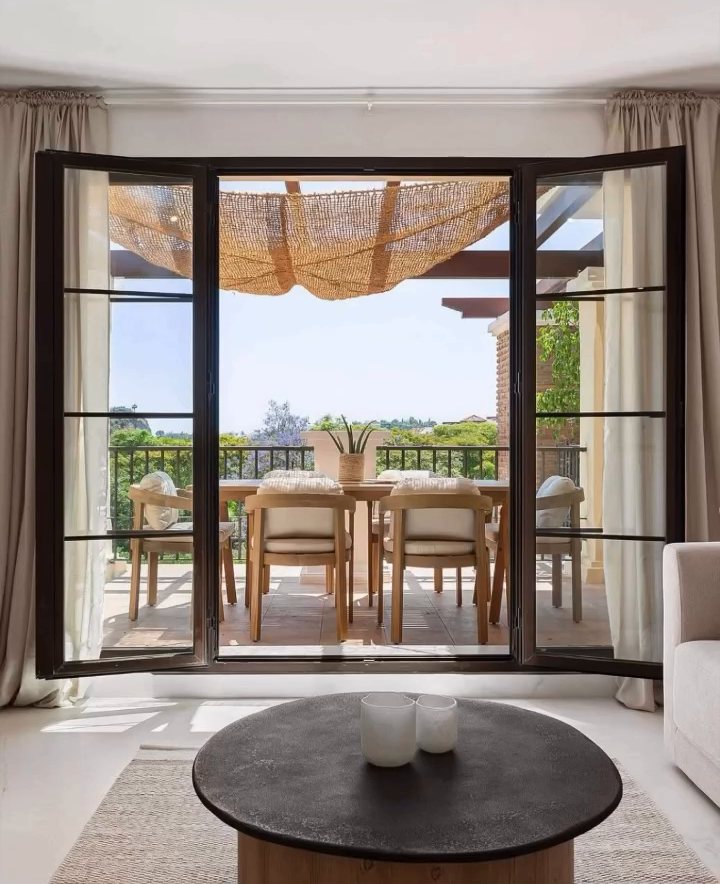
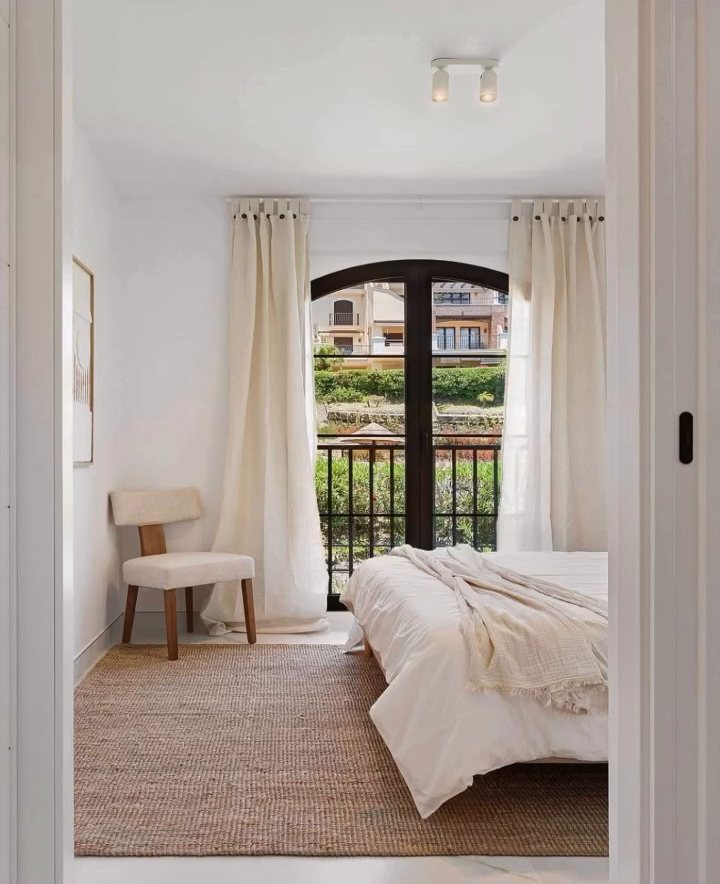
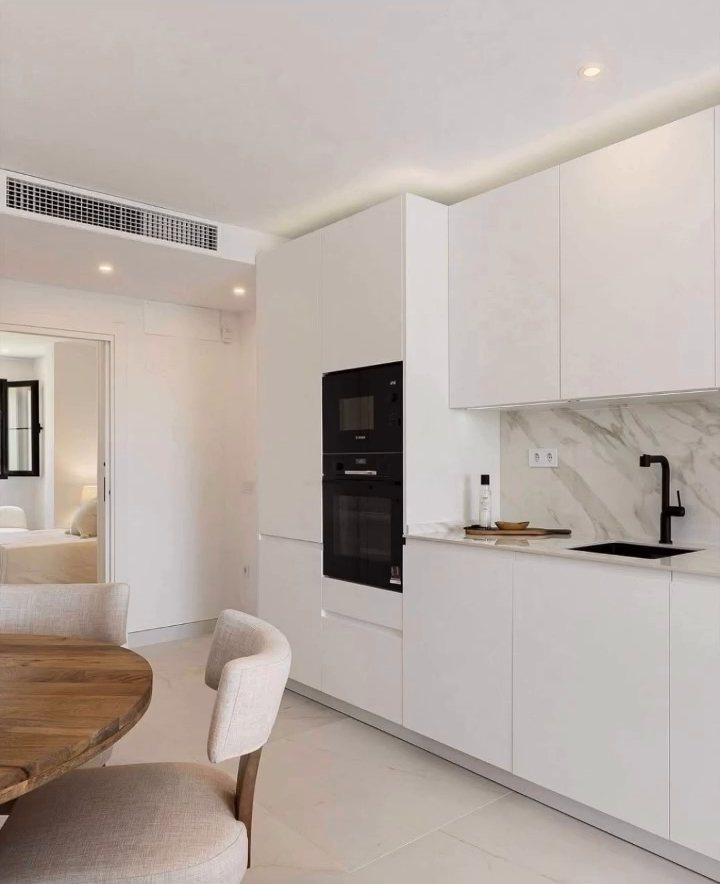
Finished interiors from one of our project films: light, simple materials and nothing left for the buyer to fix.
Where the value comes from
Layout: opening closed rooms to the light and the terrace
Systems: new plumbing, electrics and climate control buyers do not have to think about
Outdoor living: terraces and gardens that become part of the home
Finish: kitchens and bathrooms that match the price level of the area
Where it is lost
Over-renovating for the area, changing the plan halfway through, and time. Every extra month adds holding costs and delays the sale, which is why we fix the scope before we buy and record every change in writing.
The best renovation is the one the buyer notices and the budget does not.